AHRD Digest: July/August 2026
AHRD Digest: July/August 2026
News From the Academy of Human Resource Development
From the Board | |||||||||||||||||
Reimaging Learning and Development in an Era of Hybrid Intelligence | |||||||||||||||||
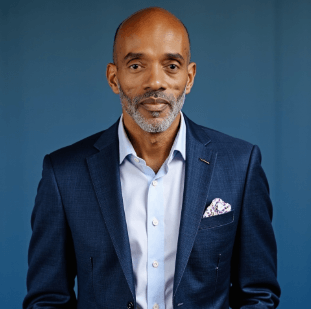
| Submitted by Terrence E. Maltbia, AHRD Board Member | ||||||||||||||||
In my May 2024 AHRD Digest piece, "Emerging Frontier of Hybrid Intelligence—A Call to HRD Research and Practice," I challenged our community to explore how the convergence of human intellect and artificial intelligence would fundamentally reshape workplace learning and collaboration. Two years later, that conceptual frontier has become an everyday operational reality. To move our field from broad exploration to strategic execution, our foundational learning models must evolve to reflect the mechanics of dual-mode cognition. Bloom's Taxonomy and the Cognitive DivideTo answer the call I issued in 2024, we must first establish a shared language for comparing how machines and humans process information. Benjamin Bloom and his colleagues originally developed Bloom's Taxonomy in 1956 to bring structure to educational goals across six noun-based levels: Knowledge, Comprehension, Application, Analysis, Synthesis, and Evaluation.1 In 2001, Anderson and Krathwohl modernized the framework by converting these nouns into active verbs—Remembering, Understanding, Applying, Analyzing, Evaluating, and Creating—while reordering the apex to place creative generation at the very top.1 This updated cognitive domain also recognizes that learning involves distinct dimensions beyond mere facts, such as metacognitive awareness of one's own thought processes. When we map current generative AI onto this classic cognitive ladder, we quickly discover that machine learning does not follow a straight, linear climb.4 This unevenness reveals profound distinctions between machine computation and human intellect:
The Seventh Level of Bloom's: OrchestrationThese structural differences compel us to rethink learning and development (L&D) interventions through the lens of hybrid intelligence.1 Rather than viewing AI as inherently "higher" or "lower" than human intellect, practitioner-scholars must recognize its fundamentally different cognitive shape—strong at remembering and analyzing, weak at understanding and evaluating, and middling at applying and creating. The recent Augmented Cognition Framework (ACF) captures this shift by arguing that we now operate across two distinct cognitive modes: individual (biological and neurological) cognition and distributed (human-AI) cognition.2 Most critically for L&D designers, this framework proposes adding a seventh level to Bloom’s Taxonomy: Orchestration. In an era of hybrid intelligence, Bloom's model evolves from a static ranking system into a vital diagnostic tool. It provides the architectural blueprint for managing mode-switching and trust—helping us decide precisely when to lean on machine optimization and when to insist on authentic human biological and neurological work. Redesigning Columbia University's Coaching ProgramThis diagnostic approach to hybrid intelligence has directly informed the ongoing curricular redesign of Columbia University's Professional Coaching Certification Program. In our updated program, we deliberately design for distributed cognition by teaching coaching participants how to orchestrate machine capabilities alongside their own biological and neurological cognition. Learners utilize AI's superior pattern detection and recall sifting through complex, multidimensional 360-degree assessment data, map behavioral themes, and rapidly review established theoretical frameworks. Relieved of the cognitive load of heavy statistical sifting, participants can dedicate their individual biological and neurological cognitive effort entirely to the human-centric domains where machines stumble: grasping the emotional nuance of a client's narrative, exercising ethical judgment in ambiguous organizational scenarios, and making intuitive, empathetic leaps during real-time coaching interventions. When I urged our community in 2024 to embrace the frontier of hybrid intelligence, it was an invitation to reimagine our professional purpose. Today, the mandate for Human Resource Development is clear: we can no longer merely train participants on content retention or routine analytical execution. Our strategic imperative is to actively cultivate orchestration capabilities across organizations. By designing learning ecosystems that deliberately pair the statistical optimization of AI with the empathetic, ethical, and creative strengths of biological and neurological human cognition, HRD leaders will eliminate workplace "fluent incompetence" and build resilient, dual-mode workforces prepared to lead the future of work. References1 Anderson, L. W., & Krathwohl, D. R. (Eds.). (2001). A taxonomy for learning, teaching, and assessing: A revision of Bloom's taxonomy of educational objectives. Longman. 2 Ayodele, K. P., Obayiuwana, E., Lawal, A. R., Bamimore, A., Offiong, F. B., & Peter, E. A. (2026). Revising Bloom's taxonomy for dual-mode cognition in human-AI systems: The augmented cognition framework. arXiv. https://arxiv.org/abs/2602.00697 3 Habiballa, H., Kotyrba, M., Volna, E., Bradac, V., & Dusek, M. (2025). Artificial intelligence (ChatGPT) and Bloom's taxonomy in theoretical computer science education. Applied Sciences, 15(2), 581. https://doi.org/10.3390/app15020581 4 Saraf, V. (2023, October 31). What Bloom's taxonomy can teach us about AI. Getting Smart. https://www.gettingsmart.com/2023/10/31/the-cognitive-dance-of-ai/
| |||||||||||||||||
Important Reminders
| |||||||||||||||||
News for Members | |||||||||||||||||
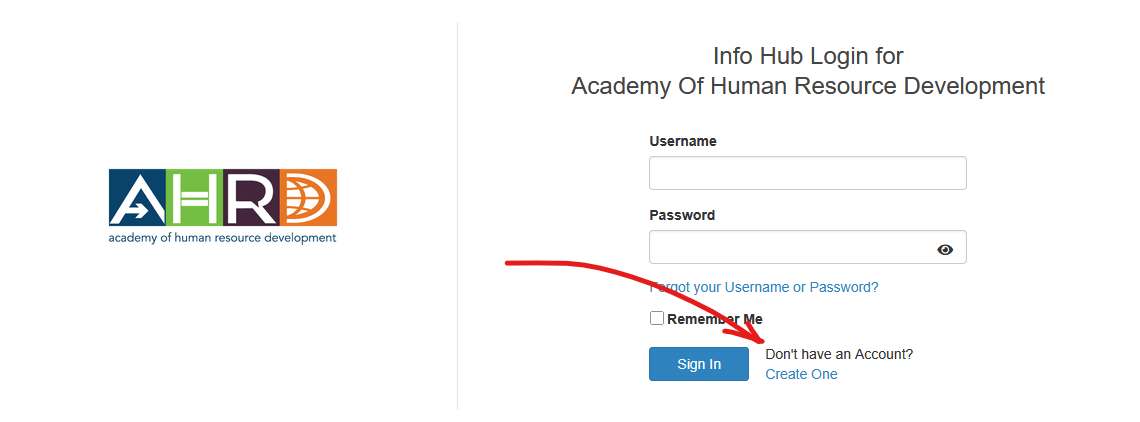
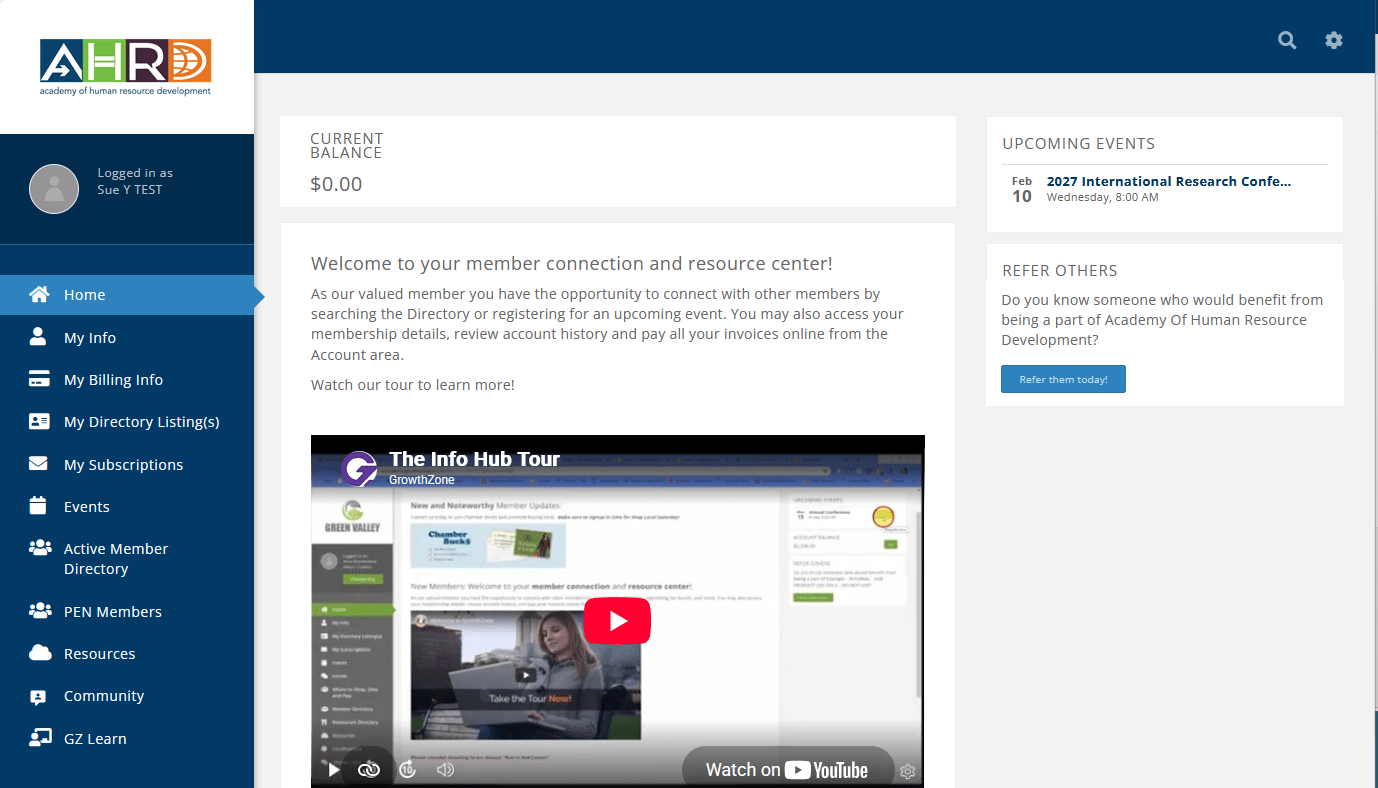
SIG SPOTLIGHT: Quantitative Research Methods SIGSubmitted by Walid El Mansour, Chair of the Quantitative Research Methods SIG The Quantitative Research Methods Special Interest Group (Quant SIG) brings together researchers, practitioners, and students interested in advancing rigorous and innovative quantitative research in Human Resource Development. The SIG provides an inclusive learning community for members at all levels of quantitative expertise. Highlights from This Year During the past year, the Quant SIG hosted author presentations featuring articles from the Human Resource Development International special issue on quantitative research methods. These sessions gave members opportunities to learn directly from authors about their methodological decisions, analytical approaches, and lessons from the research and publication process. The SIG also conducted a preliminary member needs assessment. Respondents expressed interest in advanced methods such as machine learning, structural equation modeling, multilevel modeling, meta-analysis, longitudinal analysis, and scale development. They also highlighted the need for practical support with selecting appropriate methods, evaluating assumptions, interpreting results, and reporting quantitative findings. Looking Ahead Building on these insights, the Quant SIG plans to offer applied virtual workshops on quantitative methods, continue its “Behind the Methods” author presentation series, and introduce periodic research design and analysis clinics where members can discuss methodological questions and challenges. We welcome members who would like to present, facilitate a session, recommend a topic, or contribute to the SIG’s activities. To learn more or become involved, please contact Walid El Mansour (welmansour@tamu.edu). Important! All members must create an account in the new Growth Zone platform.
Please follow the steps below: | |||||||||||||||||
Journal News | |||||||||||||||||
Call for Papers: International Journal of HRD, Policy, Practice and Research (IJHRDPPR)This special issue of the International Journal of HRD, Policy, Practice and Research (IJHRDPPR) invites contributions that bridge scholarly insight and professional practice in the field of human capital management, development, and measurement. We welcome papers that speak to academics, practitioners, and scholar-practitioners seeking to understand how human capital is developed, mobilized, and evaluated in contemporary organizations. Submissions may draw on empirical research, practice-based enquiry, case studies, or conceptual frameworks that shed light on how organizations design human capital strategies, make development investments, and assess impact at individual, organizational, or societal levels. Particular encouragement is given to work that translates theory into actionable insight, explores innovative approaches to human capital measurement and analytics, and reflects on emerging challenges such as digital transformation, skills transitions, sustainability, and inclusion. The aim of this special issue is to advance research-informed practice and practice-informed research that supports more effective, responsible, and evidence-based human capital decision-making. Due date for submissions: March 15, 2027 *Guest editors for this special issue are Dr. Prerna Tambay, Kingston University and Dr. Wilson Wong, National Chair of human capital standards at the BSI, UK and Visiting Professor at Cranfield University and Nottingham Business School. | |||||||||||||||||
Call for Book Chapters (Teaching Cases): Case Studies on HRD in Higher EducationEditors: Sanghamitra Chaudhuri, Oleksandr Tkachenko, Oliver S. Crocco, Laura L. Bierema, & Rajashi Ghosh Drs. Sanghamitra Chaudhuri, Oleksandr Tkachenko, Oliver S. Crocco, Laura L. Bierema, and Rajashi Ghosh invite submissions of teaching cases for the volume titled “Case Studies on HRD in Higher Education,” to be published by Palgrave Macmillan. This volume will feature teaching cases grounded in real-world higher education contexts. Learners will examine contemporary issues in higher education and explore the role of HRD in developing people, strengthening institutions, and improving organizational systems. Each teaching case will be accompanied by instructor notes, available on the publisher’s website, with guidance on facilitation, discussion prompts, and learning strategies. This call seeks teaching cases on the following topics:
Editors:
We seek submissions of teaching cases that have been taught but not previously published, as well as teaching cases that can be test-taught in Fall 2026. The submission process has two stages: (1) case proposal and (2) full teaching case and instructor notes. Case Proposal Content
Each proposal should not exceed 750 words, excluding the author information. Case proposal submissions are due September 10, 2026. We are looking for “compact” cases – between 1,000 and 2,000 words – grounded in real-world scenarios. If you are proposing a longer case (up to 3,000 words), please let us know. Upon acceptance of case proposals, contributors will be asked to submit a teaching case and accompanying instructor notes (guidelines will be provided). We ask that any names of decision makers, actors, and/or organizations be anonymized (“masked”) to protect their identity. As we review all submissions, we will follow up with feedback and questions, if needed. Why Contribute?
Important Dates:
Please email your case proposal to Sanghamitra “Sonai” Chaudhuri at schaudhuri@temple.edu by September 10, 2026, using “HRD in Higher Education Case Proposal” as the email subject line. Recommended Sources on Writing Teaching Cases:
| |||||||||||||||||
AAACE Membership Discount CodeAHRD members are eligible for a 10% discount off AAACE membership with this Promo Code: "AHRDMemberPartner" Visit the AAACE membership page here: https://www.aaace.org/page/Membership | |||||||||||||||||
Quicklinks
| |||||||||||||||||
AHRD Digest Editor | |||||||||||||||||
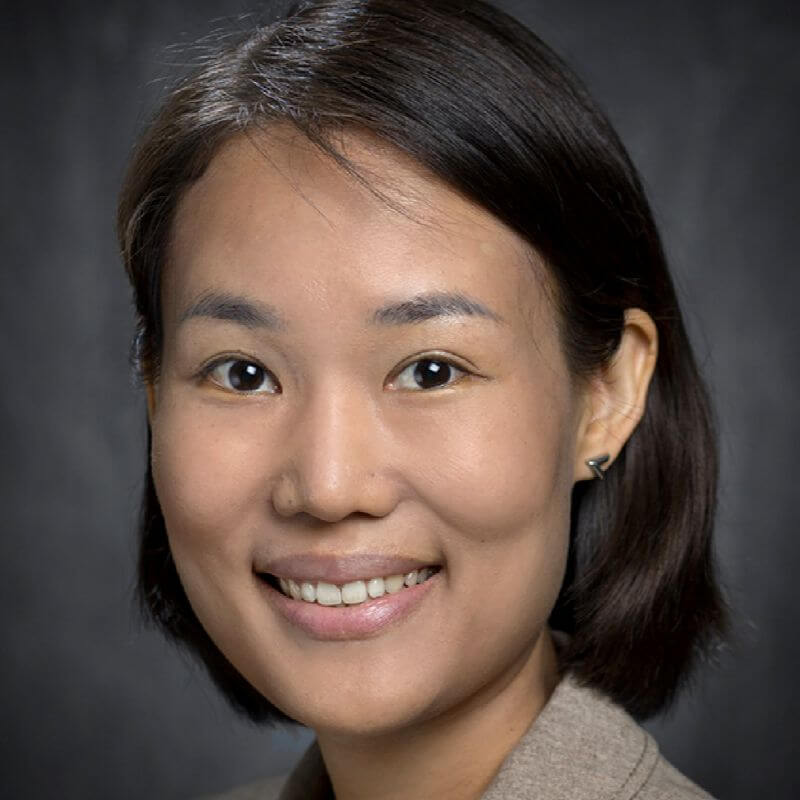
| By Shinhee Jeong, Digest Editor | ||||||||||||||||
Disclaimer: The views and opinions expressed in this article are those of the author(s) and do not necessarily reflect the official policy or position of the Academy of Human Resource Development or its affiliates. | |||||||||||||||||